
YG-1 DongHai Vulcanizing Resin Environmental Compliance Focus
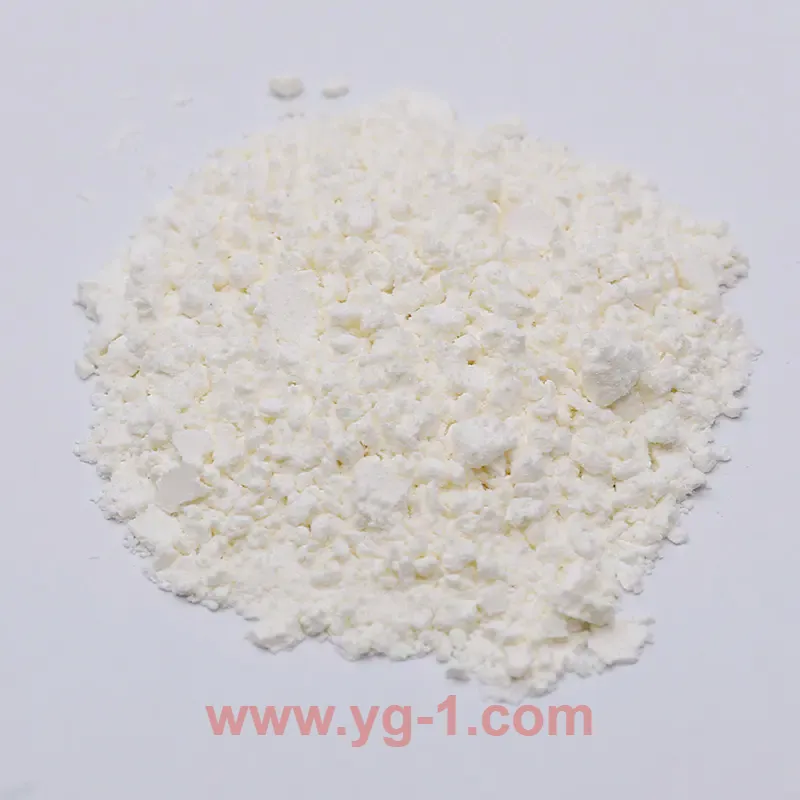
Professionals working in rubber production facilities often examine vulcanizing resin characteristics and related solutions when they review selections presented at yg-1. As regulatory frameworks tighten around industrial activities and community expectations rise regarding ecological responsibility, one naturally wonders how these essential processing materials interact with surrounding systems while supporting consistent manufacturing outcomes across varied production scales.
Formulation specialists develop compositions that minimize volatile releases during thermal processing stages through careful selection of base components and stabilizing agents. These approaches reduce atmospheric contributions without altering the fundamental cross-linking functions required for elastomer performance. Facilities implement closed-loop systems that capture and redirect process vapors back into treatment units where filtration elements neutralize potential contaminants before any discharge occurs. Such engineering provisions help align daily operations with established air quality standards maintained by regional authorities.
Teams responsible for material management emphasize containment protocols during storage and transfer phases to prevent unintended ground or water contact. Dedicated containment areas equipped with impermeable surfaces and collection channels direct any accidental spills toward recovery points rather than allowing dispersion into surrounding soil layers. Training programs instruct operators on sequence steps that limit exposure windows and incorporate personal protective equipment appropriate for each handling activity. Documentation records track material volumes through all stages from arrival to incorporation into final compounds.
Entities such as DongHai direct laboratory resources toward compounds that incorporate renewable feedstocks where compatible with technical specifications. These development pathways explore alternatives that maintain processing windows while decreasing reliance on petroleum-derived inputs. Process engineers adjust temperature curves and mixing durations to accommodate the distinct behaviors of these updated formulations. The resulting materials participate in production cycles that reflect attention to resource conservation alongside product quality requirements.
Waste streams receive separation treatment that isolates solid residues for specialized handling channels rather than general disposal routes. Recovery techniques allow certain byproduct fractions to reenter supply chains after appropriate regeneration steps. Water management systems within production zones utilize multi-stage clarification units that remove suspended particles and dissolved substances before effluent reaches municipal collection points. Monitoring stations provide continuous data streams that verify treatment effectiveness and support reporting obligations to oversight bodies.
Industry participants observe that digital tracking platforms now assist in mapping material flows from initial sourcing through final product stages. These systems generate reports that highlight consumption patterns and identify opportunities for cycle optimization. Collaborative initiatives between suppliers and end users facilitate exchange of information regarding formulation adjustments that address specific ecological priorities within different geographic regions. Such partnerships contribute to collective advancement in responsible manufacturing practices across the sector.
Quality assurance personnel verify that finished rubber articles meet durability expectations while originating from processes that incorporate environmental safeguards. Surface treatment steps and curing environments operate under parameters that limit energy consumption during peak activity periods. Ventilation designs direct airflow patterns to maintain workspace conditions without excessive external exchange. These integrated measures support both operational continuity and alignment with evolving societal standards for industrial activity.
Packaging and logistics coordinators who arrange distribution of processed materials encounter packaging formats designed to reduce secondary waste volumes during transit phases. The combination of material science principles with operational discipline creates frameworks where environmental stewardship forms part of standard procedure rather than separate consideration. Continued dialogue between producers and facility operators generates perspectives that shape subsequent adjustments in material design and application methods.
Those seeking comprehensive details regarding different vulcanizing resin categories and their associated characteristics can examine extensive references by proceeding to the designated section at https://www.yg-1.com/news/industry-news/brief-introduction-of-5-types-of-rubber-vulcanizing-agents-1.html where organized information awaits consultation for project development and decision processes.

 English
 Arabic
 French
 Portuguese
 Deutsch
 Turkish
 Dutch
Dutch
 Italiano
 Russian
 Romaian
 Portuguese (Brazil)
 Greek
Greek